“Ananya, Sid, come here! You won’t believe this—on the 14th of January, India basically turns into one giant party!” Tatha called out, settling into his favourite chair with a cup of steaming filter coffee.
“Party?” Ananya raised an eyebrow. “Like DJ, disco lights and Insta-worthy outfits?”n
Tatha chuckled. “No, no, my dear. It’s bigger than that. Imagine bonfires, flying kites, delicious sweets and everyone thanking the Sun and the Earth. Each state adds its own cultural and culinary twist. Now, let me tell you how this day is celebrated across the entire country.”
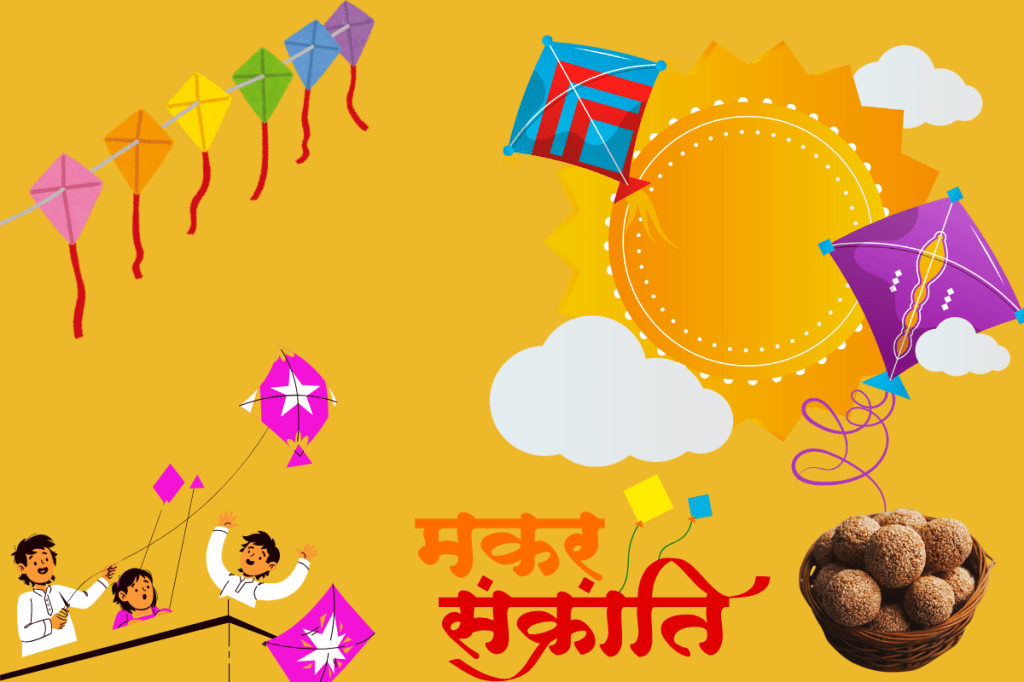
Makar Sankranti: Kite Wars and Sweet Deals
“In most of India, we call it Makar Sankranti,” Tatha began. “This day marks the Sun’s transition into Makara Rashi (Capricorn) on its celestial journey. It’s a big deal because it signals longer days, shorter nights and the end of winter.”
Sid looked impressed. “Wow! So we have festivals to indicate change of seasons?”
“Yes!” Tatha nodded. “People fly kites – bright ones, funky ones, even kites with superhero designs! It’s all about who dominates the skies. In Gujarat, they even have a kite flying festival where people from all over the world come to enjoy the festivities. Even the sweets prepared for this festival – Sesame and jaggery ladoos are indicative of spreading warmth in the cold weather. The story? Lord Surya, the Sun God, patched things up with his son Shani after a major fallout. Even the gods know the importance of mending fences!”
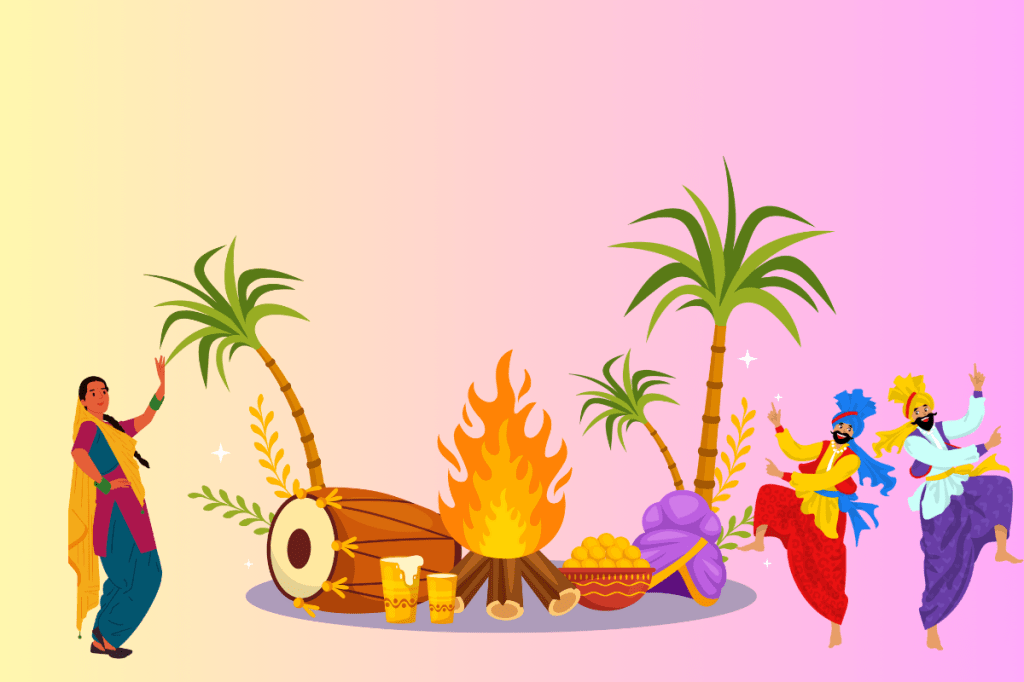
Lohri: Bonfires and Beats in Punjab
“Now, let’s head to Punjab. On this day, they light massive bonfires for Lohri. People dance around them (Bhangra and Gidda) and toss popcorn, sesame and peanuts into the fire.”
“Why would they want to waste it by throwing it in the fire?” Sid questioned.
“Haha, not all of it!” Tatha laughed. “It’s more symbolic – thanking the universe for a good harvest. There’s also a legend about Dulla Bhatti, the Robin Hood of Punjab, who saved girls from bad guys. So, Lohri is also about celebrating bravery and kindness.”
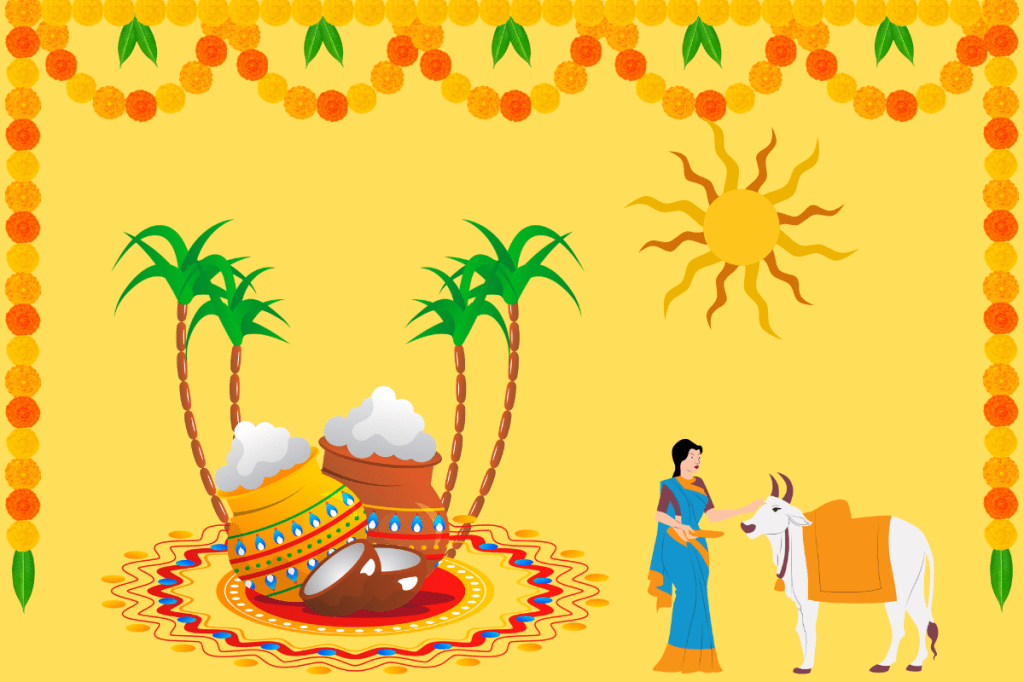
Pongal: Overflowing Pots of Joy
“Down south, in Tamil Nadu, we celebrate Pongal. It’s a four-day fest where we thank the Sun, the rain and even the cows. The main event?” Tatha questioned waiting for the kids to reply.
“Boiling milk and rice in a pot until it overflows. When it spills over, we shout, ‘Pongalo Pongal!’ It’s like a happy accident but symbolizing abundance,” said Ananya gasping her breath as she said this in super speed.
“Yup!” Tatha grinned. “That’s our way of saying, ‘Bring it on, prosperity!’ The first day of Pongal is celebrated to pay homage to Lord Krishna, as He lifted the Govardhan Parvat (mountain) to save His people from the incessant rain. It’s our way of thanking nature for maintaining its balance.”
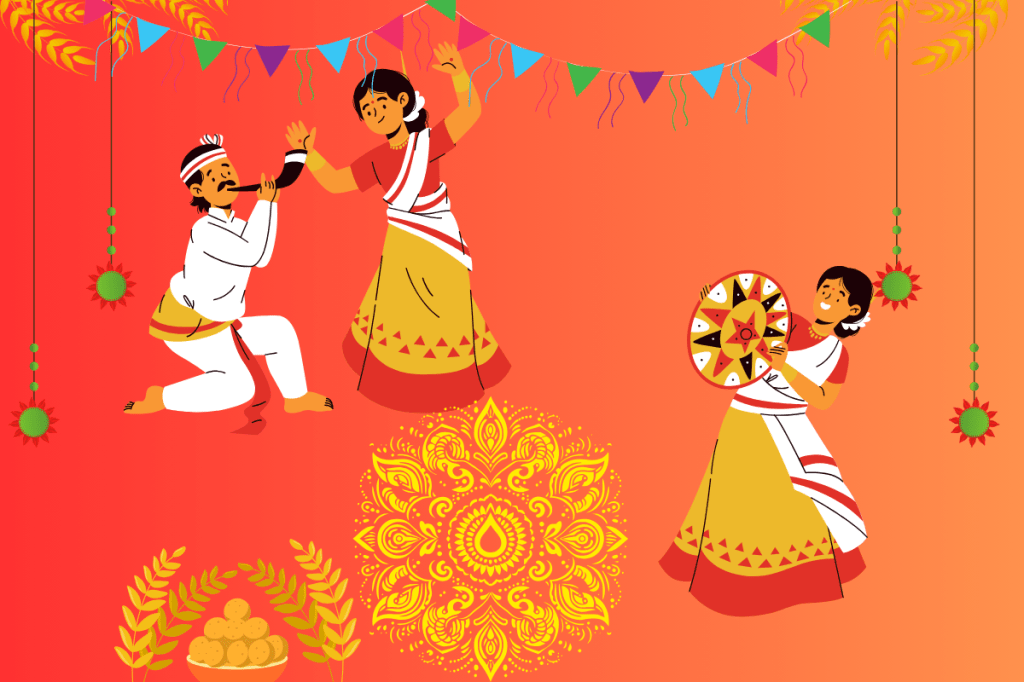
Bihu: The Assamese Feast Fest
“Now, let’s fly east to Assam. They celebrate Magh Bihu, where it’s all about food. They build a hut called Bhelaghar, cook amazing dishes like fish, rice cakes and sweets and then burn the hut the next morning.”
“Wait, they burn their huts? Why?” Sid asked, wide-eyed.
“To symbolize starting fresh and letting go of the old,” Tatha explained. “And there’s music, too—Assamese drums and dances. No myth here, just gratitude for the harvest.”
The Great Indian Remix
“You see, kids! Whether it’s Makar Sankranti, Lohri, Pongal or Bihu; they’re all about gratitude, togetherness, celebration and starting fresh. The details may vary, but the vibe is universal: thanking nature, celebrating with loved ones and sharing joy.”
“Wow, Tatha!” Ananya said. “So, can we do all of it—boil Pongal, fly kites, light a bonfire and feast like crazy?”
“Of course, my little munchkins,” Tatha smiled. “And remember, life is a festival too. Every day is a chance to celebrate something, big or small. Now, who’s ready for some Sakkarai Pongal and til laddoos?”
As Ananya and Sid ran to the kitchen, Tatha leaned back, happy to have passed on another nugget of India’s incredible culture – one story at a time.
 Epickathas
Leave a comment